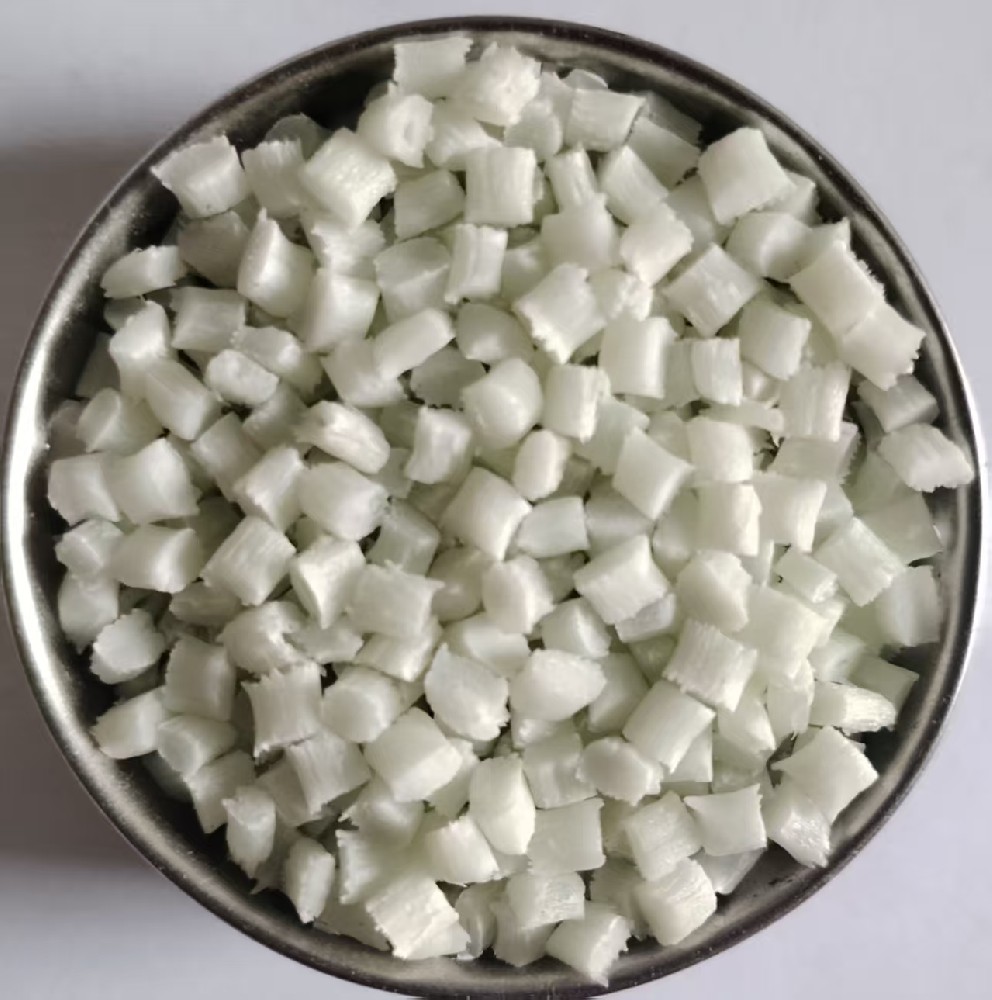
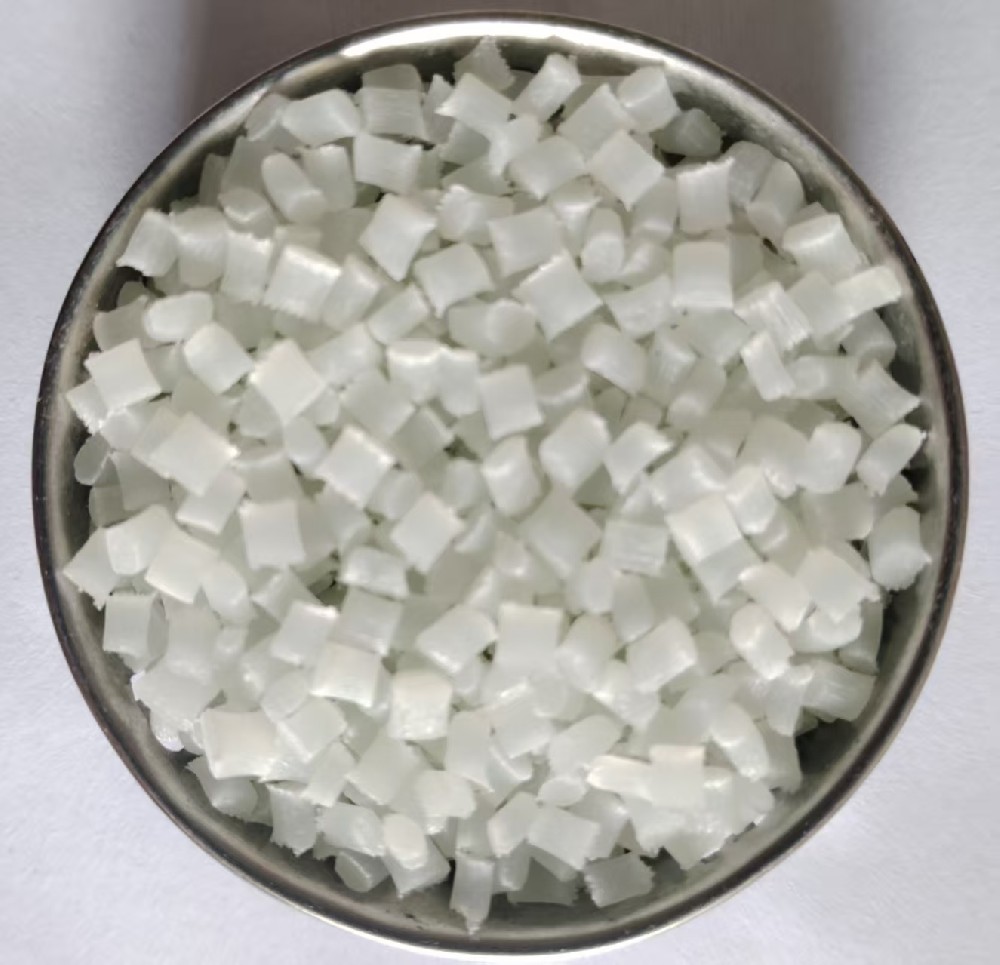
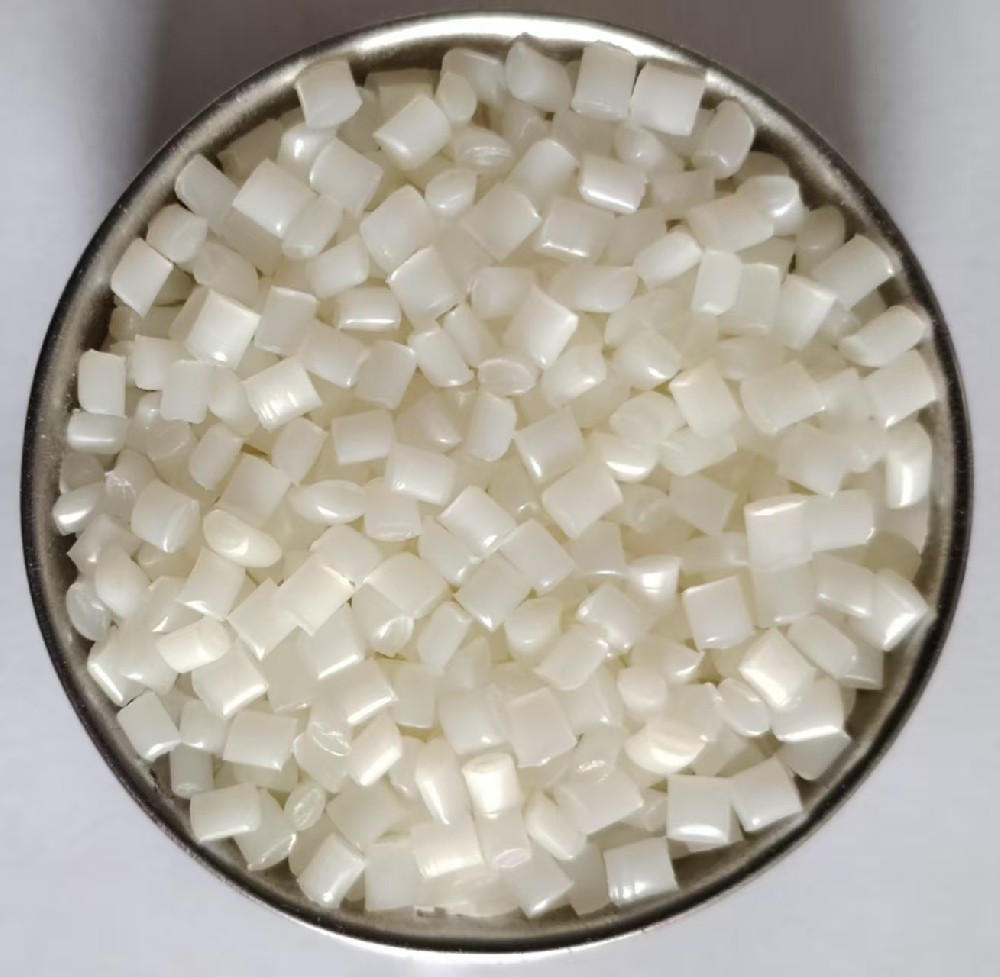
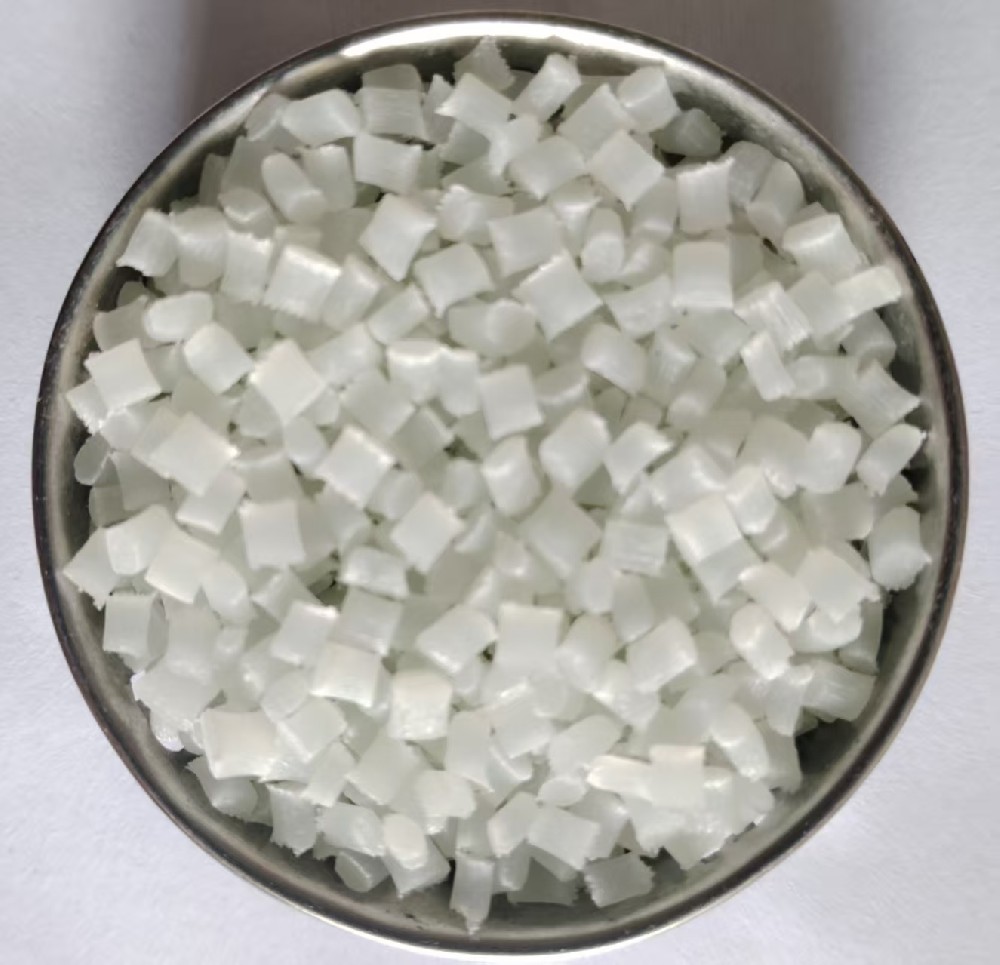
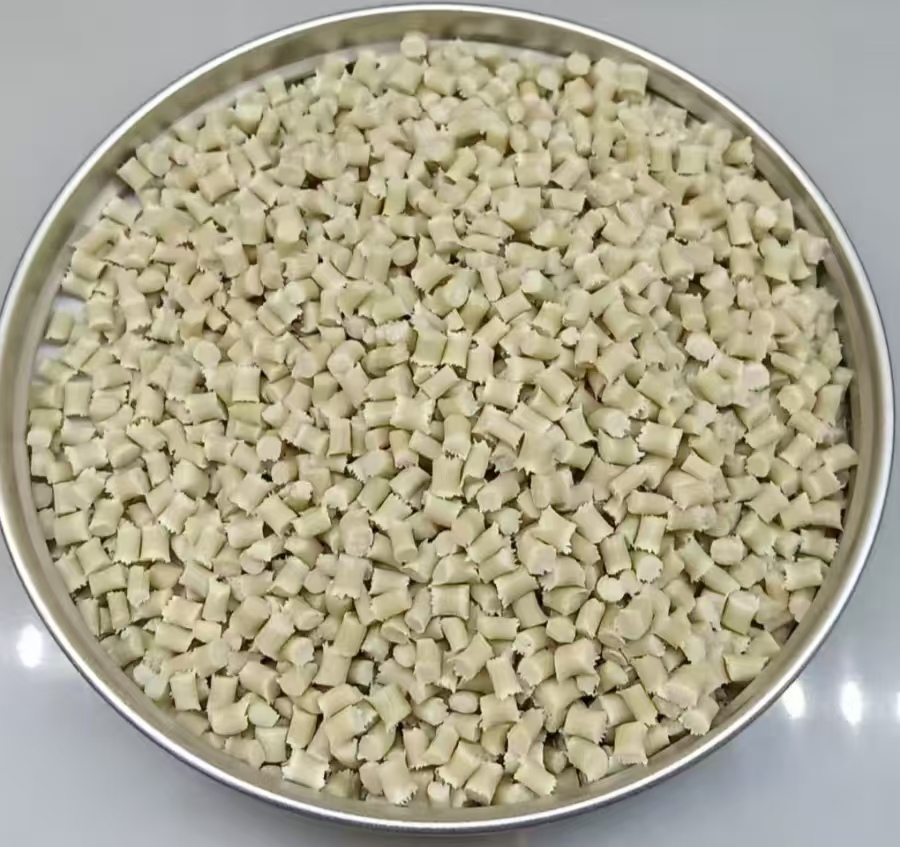
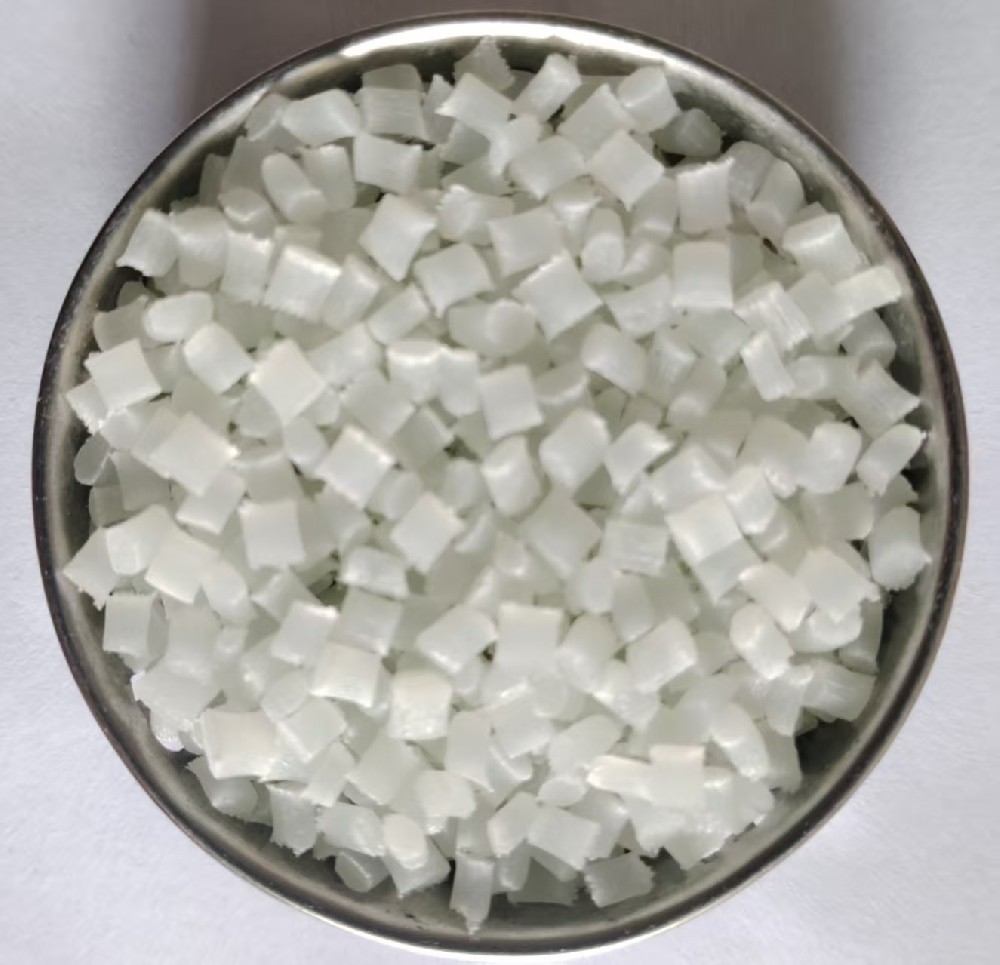
PPS is a crystalline (crystallinity of 55%-65%) high rigidity white powder polymer, high heat resistance (continuous use temperature up to 240 degrees), mechanical strength, rigidity, flame retardancy, chemical resistance, electrical characteristics, dimensional stability are excellent resin, wear resistance, creep resistance, flame retardancy (up to UL94V-0), high temperature, high humidity still maintain good electrical properties. It has good fluidity, easy molding, and has almost no shrinkage holes and pitting spots during molding. It has good affinity with various inorganic fillers. If its physical and mechanical properties and heat resistance are improved, the reinforcing materials include glass fiber, carbon fiber, polyarylamide fiber, metal fiber, etc., mainly glass fiber. Inorganic fillers include talc, kaolin, calcium carbonate, silicon dioxide, molybdenum disulfide, etc.
PPS/PTFE, PPS/PA, PPS/PPO, and other alloys have been commercialized, PPS/PTFE alloy improves the brittleness, lubricity and corrosion resistance of PPS, and PPS/PA alloy is a high-toughness alloy.
Glass fiber reinforced PPS has excellent thermal stability, abrasion resistance, creep resistance, excellent mechanical and electrical properties in a wide range (temperature, humidity, frequency), low dielectric number and low dielectric loss.