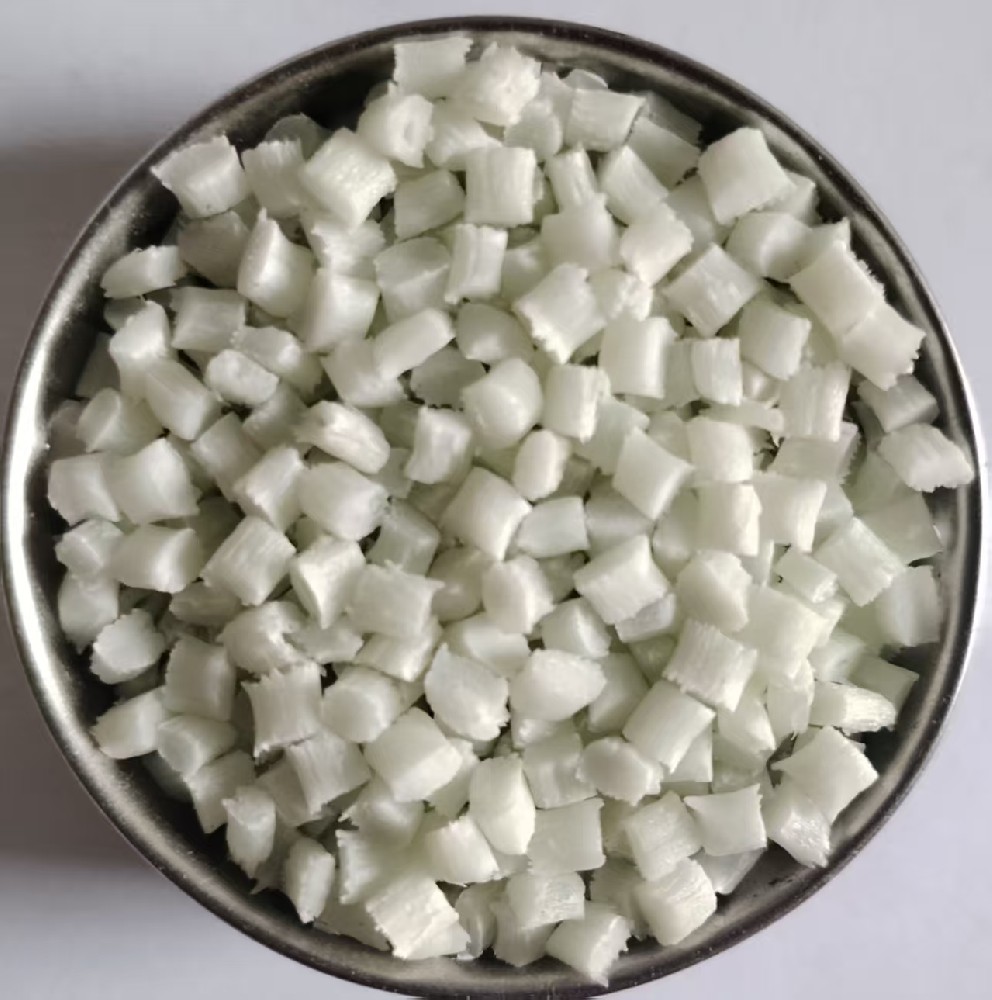
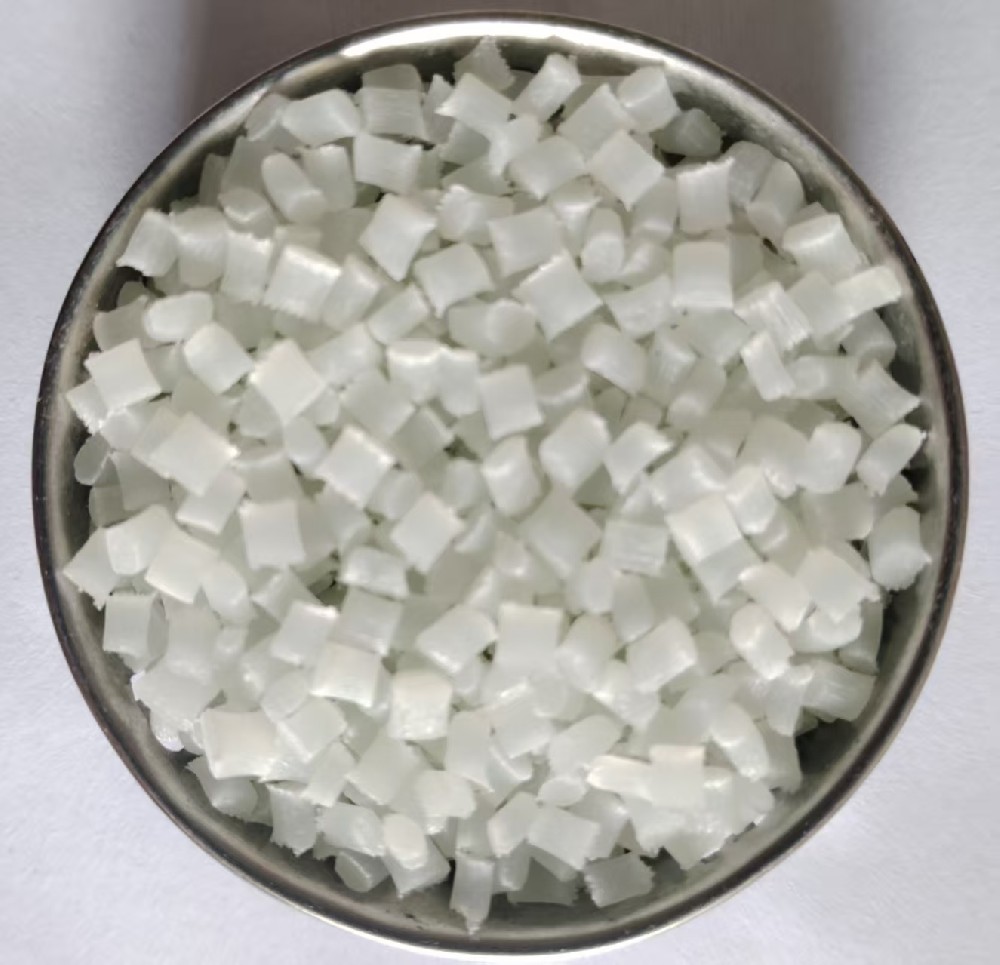
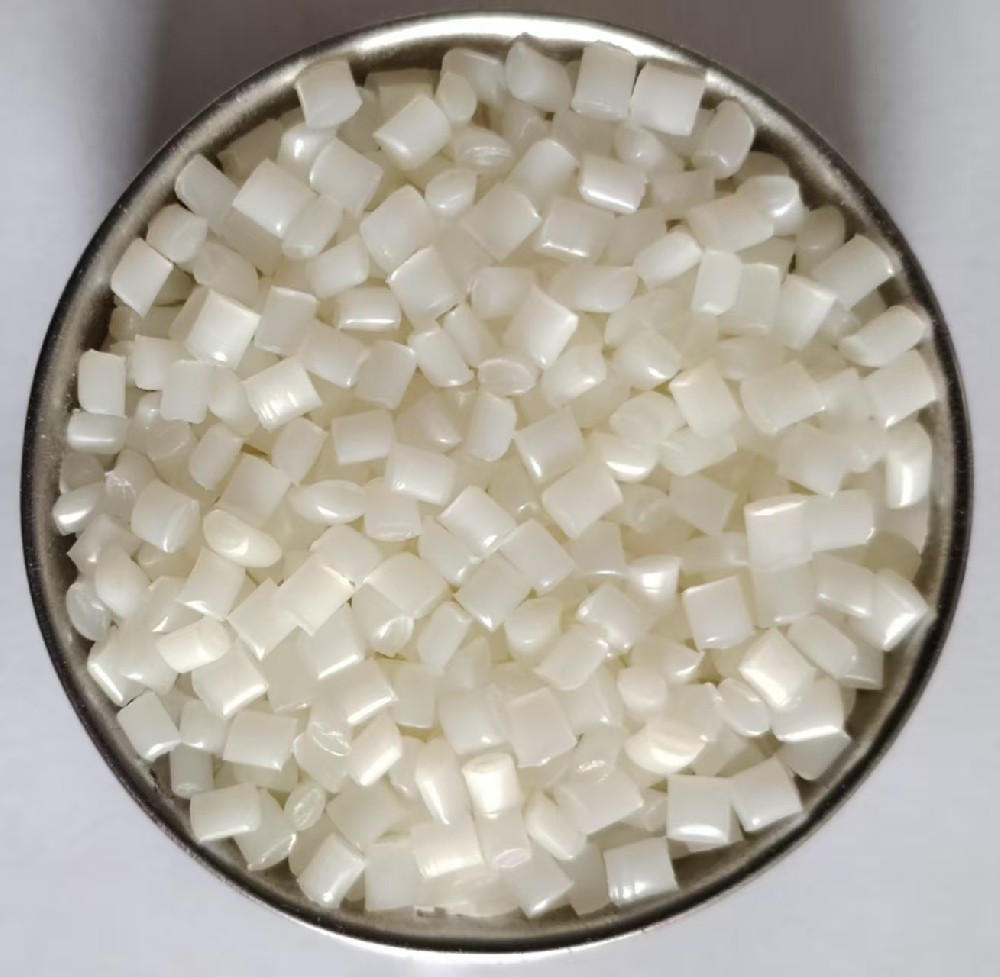
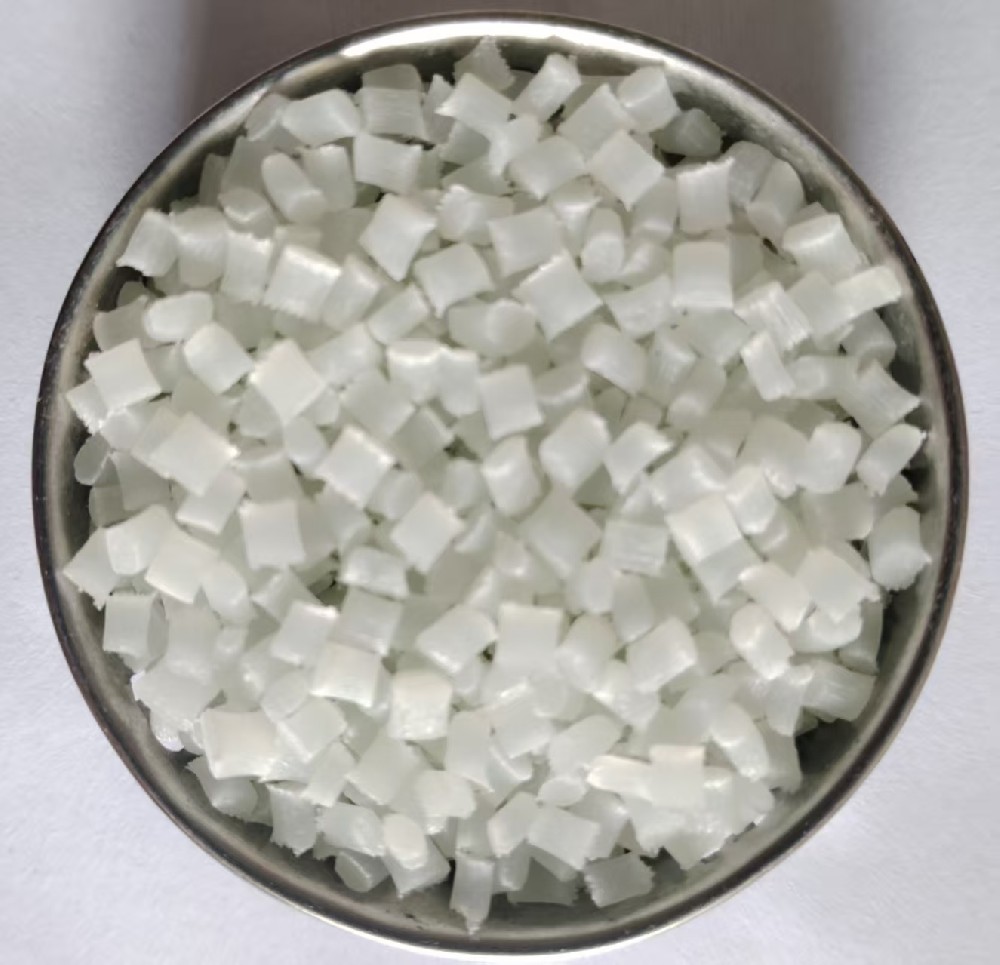
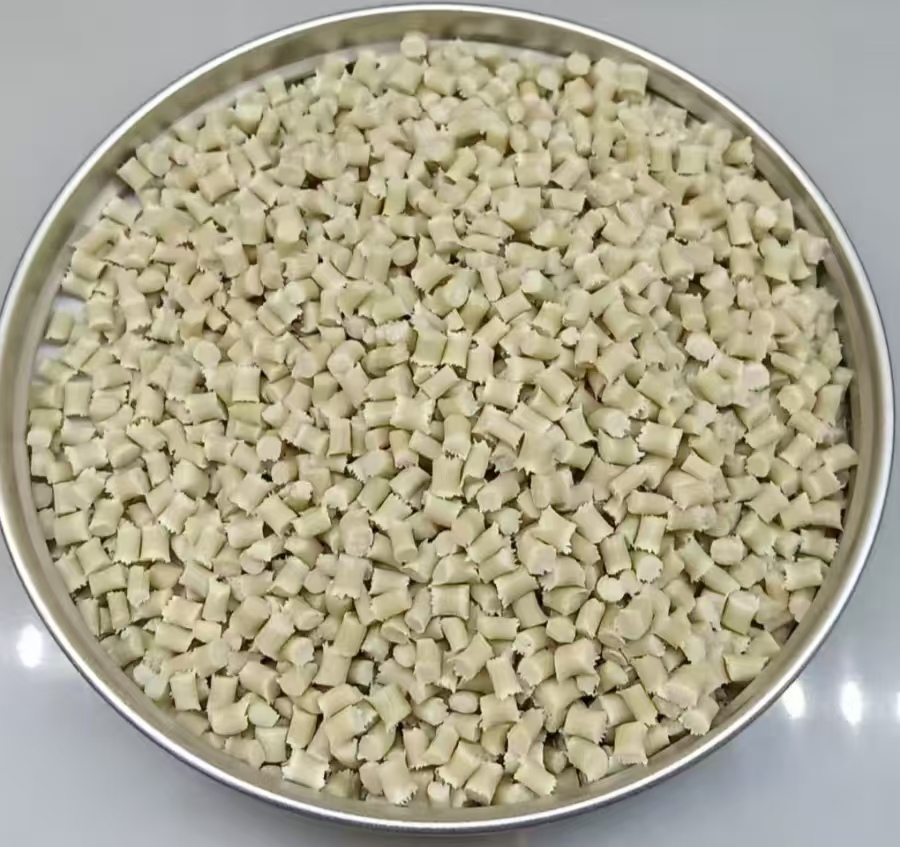
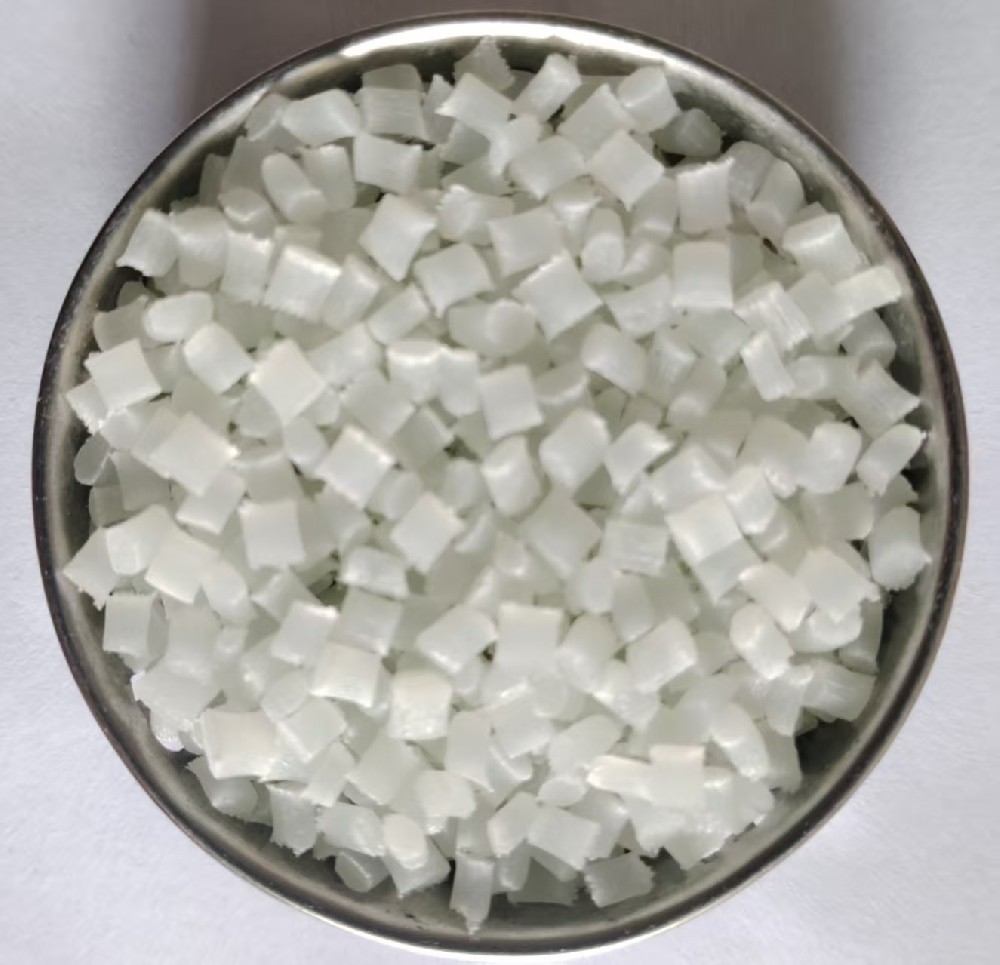
The chemical and physical properties of PA6 nylon plastics are similar to those of PA66, however, they have a low melting point and a wide range of process temperatures. It is more impact-resistant and solvent-resistant than PA66, but also more hygroscopic. Because many of the quality characteristics of plastic parts are affected by hygroscopicity, this should be taken into account when designing products with PA6. In order to improve the mechanical properties of PA6, a variety of modifiers are often added. Glass fibers are the most common additives, and synthetic rubbers such as EPDM and SBR are sometimes added to improve impact resistance. For products without additives, PA6 shrinks between 1% and 1.5%. The addition of glass fiber additives can reduce the shrinkage to 0.3% (but slightly higher perpendicular to the process).
The shrinkage of the molded assembly is mainly affected by the crystallinity and moisture absorption of the material. The actual shrinkage is also a function of the part design, wall thickness and other process parameters.
The chemical and physical properties of PA6 nylon plastics are similar to those of PA66, however, it has a low melting point and a wide range of process temperatures. It is more impact-resistant and solvent-resistant than PA66, but it is also more hygroscopic. Because many of the quality characteristics of plastic parts are affected by hygroscopicity, this is important when designing products with PA6. In order to improve the mechanical properties of PA6, a wide variety of modifiers are often added. Glass is the most common additive, and synthetic rubbers such as EPDM and SBR are sometimes added to improve impact resistance. For products without additives, PA6 has a shrinkage rate of between 1% and 1.5%. The addition of glass fiber additives can reduce shrinkage to 0.3% (but slightly higher perpendicular to the process). The shrinkage of the molding assembly is mainly affected by the crystallinity and hygroscopicity of the material.