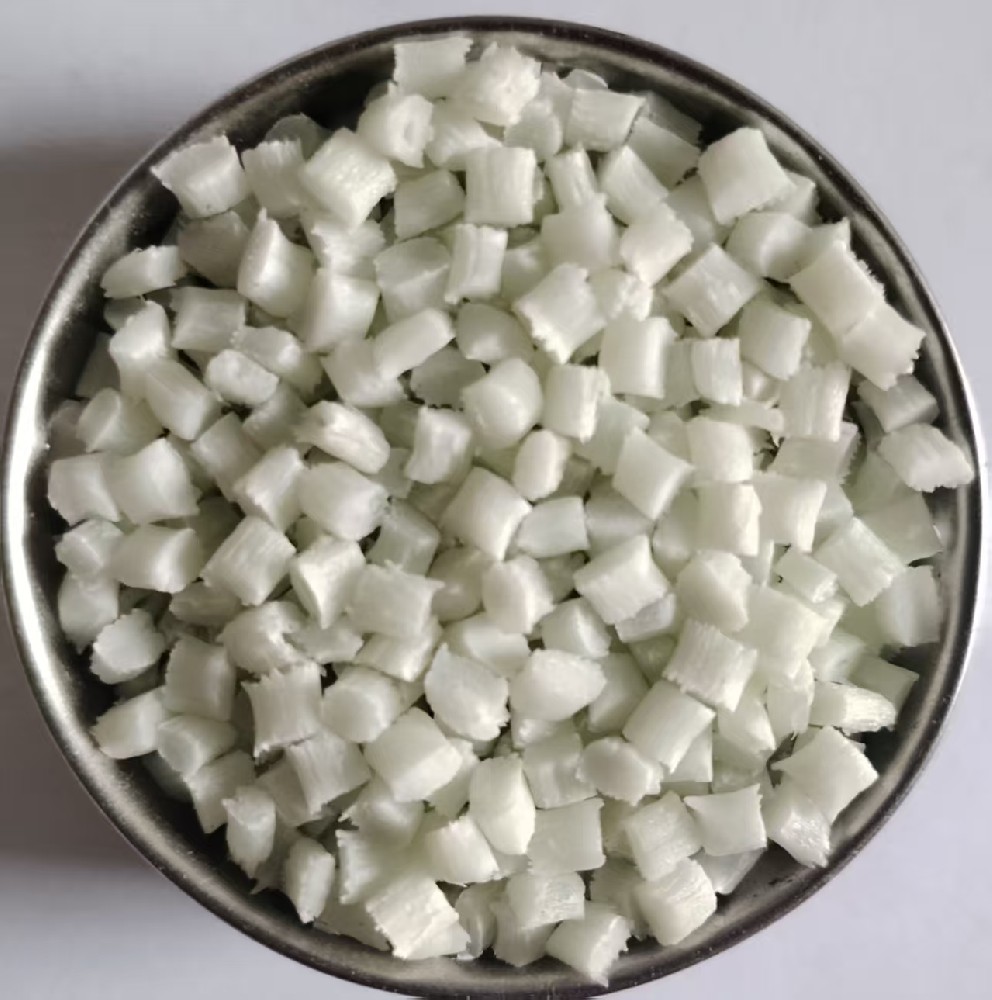
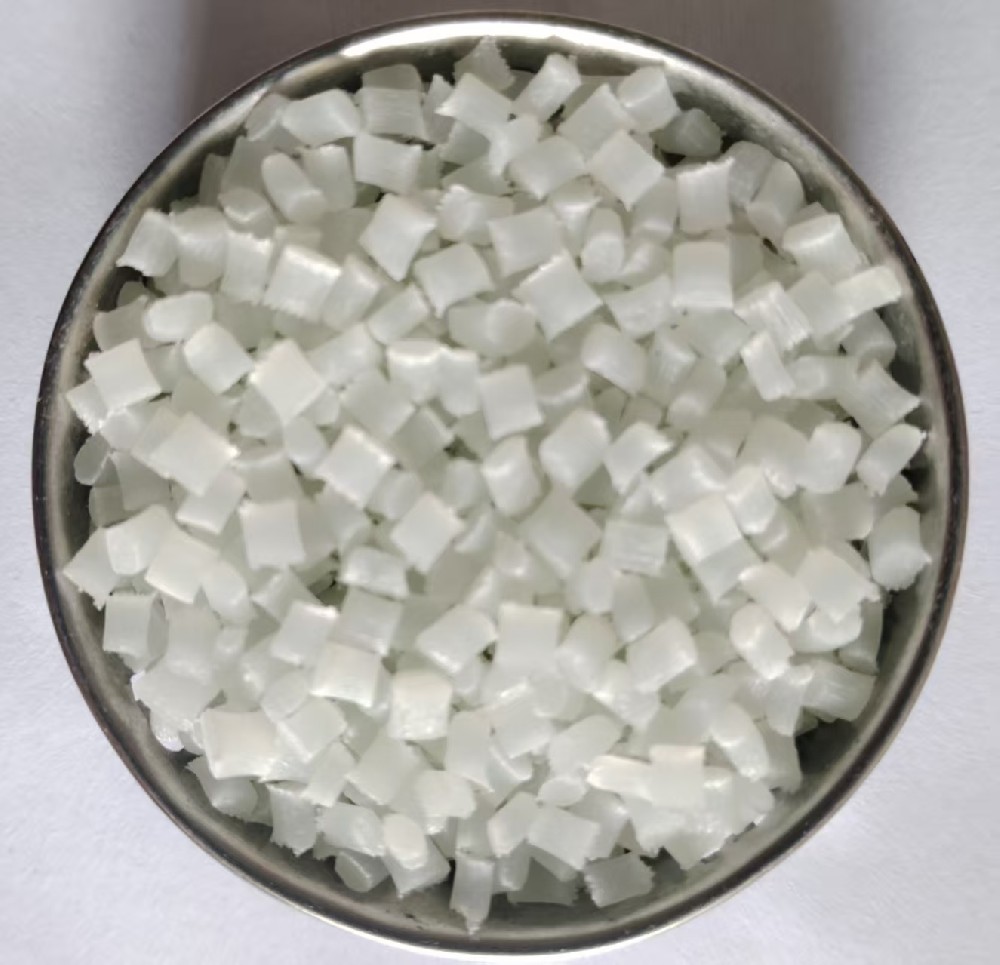
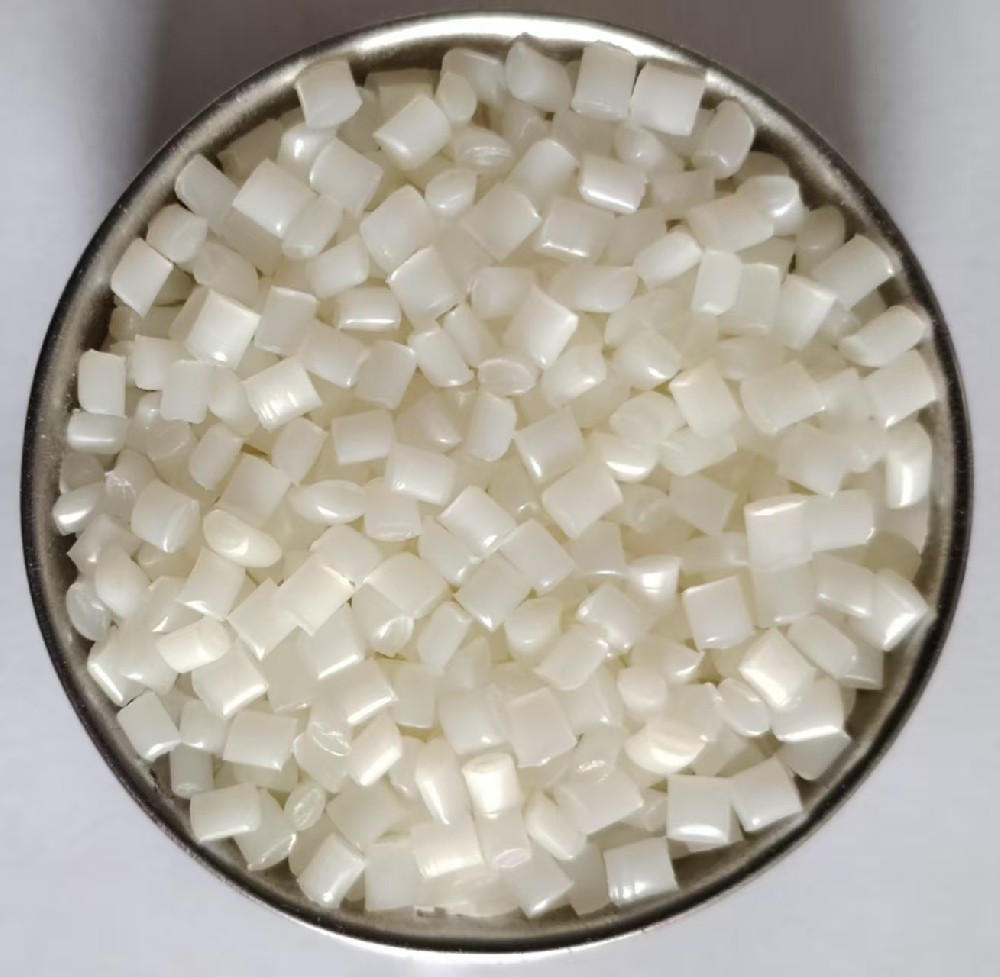
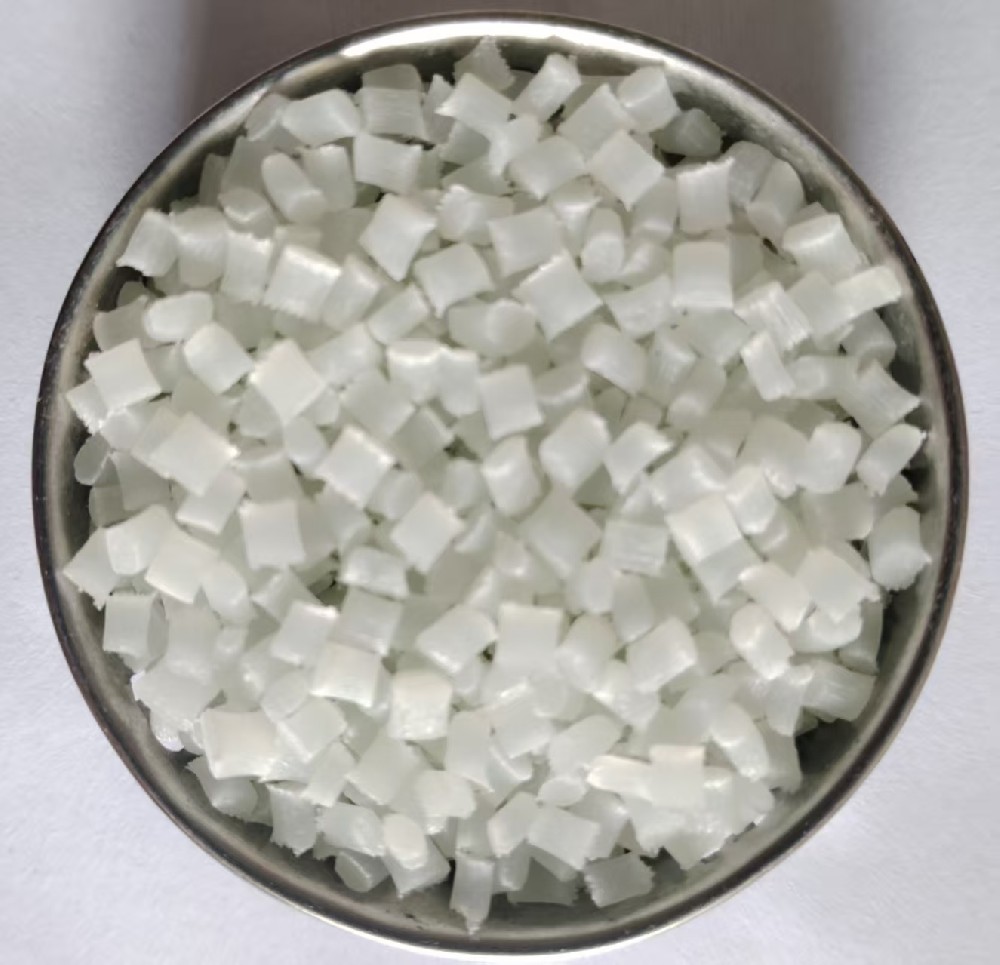
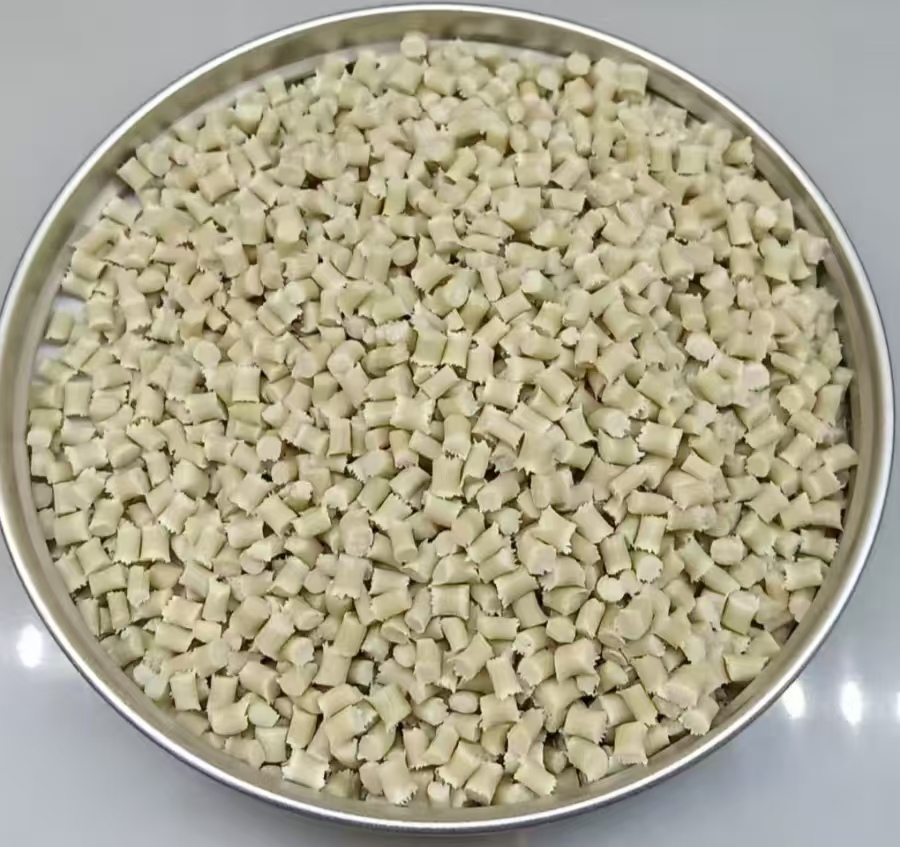
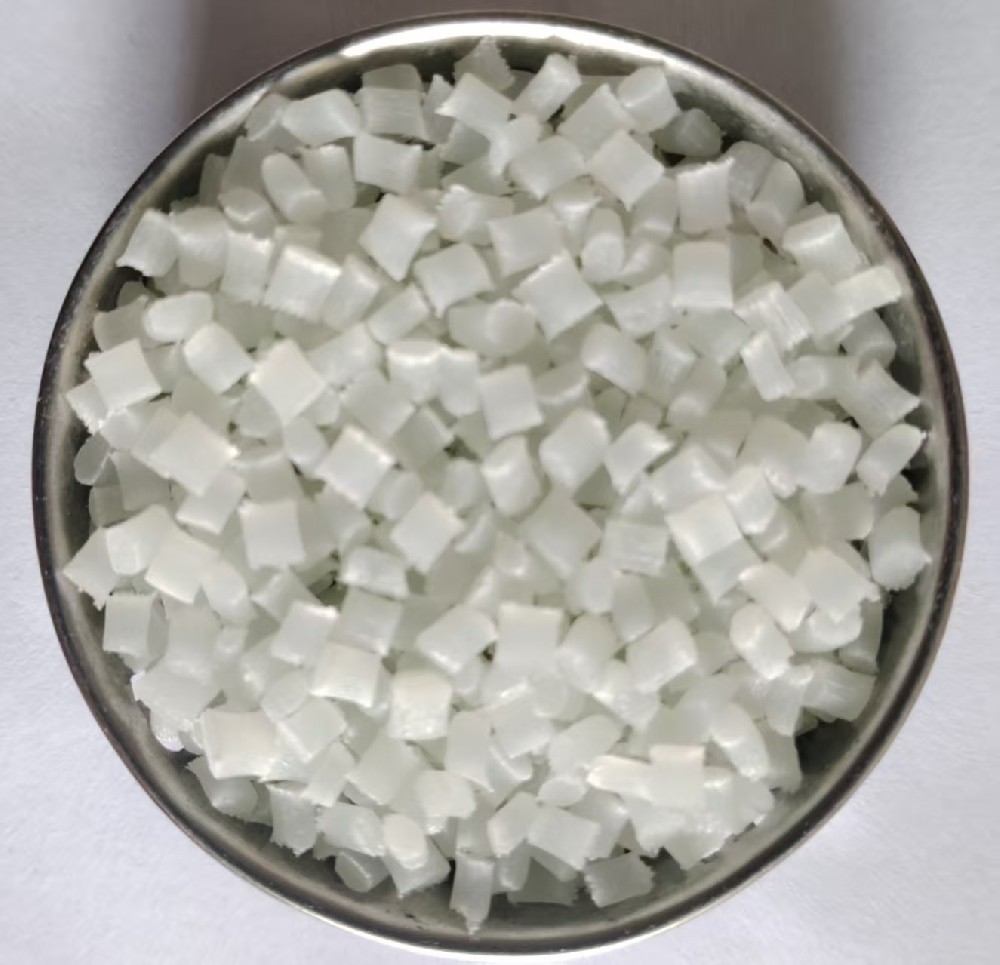
Polyplastics Group announced that its newly developed long cellulose fiber reinforced polypropylene (PP) resin PLASTRON (R) LFT will be used in automotive applications such as door module brackets, center consoles and armrest cores. PLASTRON (R) LFT has a lower density and lower greenhouse gas emissions than short glass fiber reinforced resins, while having the same mechanical properties.
Polyplastics to use PLASTRON (R) long cellulose fiber-reinforced resin for automotive applications - Plastics Watch
Cellulose is a non-edible biomass raw material derived from organic sources other than fossil sources that is carbon negative (manufacturing absorbs carbon dioxide from the air) and sustainable raw material (capable of sustainable obtained locally, unlike resources such as natural minerals).
PLASTRON (R) LFT Long Cellulose Fiber Reinforced Resin uses regenerated cellulose fibers manufactured using a solvent method that generates almost no waste. Polyplastics uses solvent-processed cellulose fibers, which emit less greenhouse gas during production than typical glass fibers. Since its density is nearly 10% lower than that of glass fiber reinforced PP resin, its greenhouse gas emissions are also lower under the same volume.
In terms of material properties, cellulose is extremely difficult to dissolve in solvents. Today, the vast majority of typical regenerated cellulose is manufactured using a complex process that involves modifying the cellulose, then dissolving it in a solvent and spinning it to restore its original cellulose form. This process results in significant emissions of greenhouse gases, including carbon dioxide.
In contrast, the solvent method involves a closed process that recycles almost 100% of the solvent. It generates very little waste and produces materials that are even more environmentally friendly. The company has obtained several patents around the world for the reinforcement of resins with regrown cellulose fibers, including solvent-processed cellulose fibers. Polyplastics to use PLASTRON (R) long cellulose fiber-reinforced resin for automotive applications